
5 Min Read
Starting a whole home remodel in Austin usually begins with a bigger question than which finishes to choose. Before any of that matters, homeowners need to understand what their home can actually support, what needs to change beneath the surface, and how to turn early ideas into a plan that will hold up through design and construction.
The good news is that this a whole home remodel is easier to plan when the right conversations happen early. Before construction starts, it helps to understand the home, the scope, the budget, and the decisions that need to be made along the way.
In this blog, you will find:
1. Know What You Want the Remodel to Solve
2. Let the Existing Home Shape the Plan
3. Understand What Moves the Budget Before Setting One
4. Bring the Right People in Early
6. Know How Construction Will Affect the Household
7. Know When the Remodel Is Ready to Move Forward
8. Common Questions About Whole Home Remodeling in Austin
9. Ready to Understand What Your Home Needs?
Know What You Want the Remodel to Solve
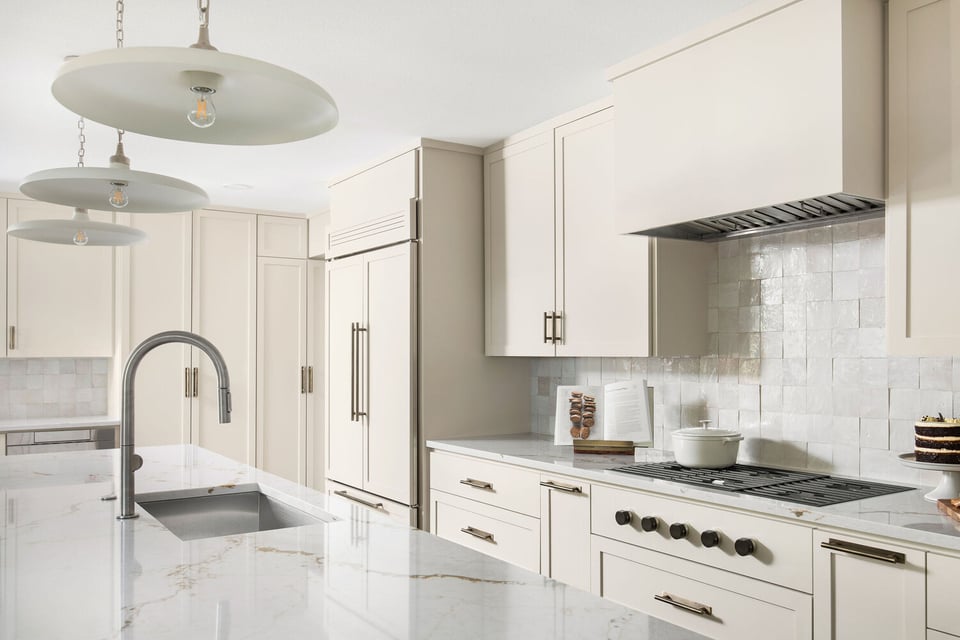
Before floor plans, finish selections, or construction conversations go anywhere useful, it helps to name the specific problems affecting daily life. The kitchen feels cut off from the main living area. The home was updated in pieces over twenty years and nothing quite connects. The layout made sense for a previous owner but not for how your family actually uses the space.
This doesn't need to be complicated at first. Walk through the home and pay attention to where the friction is — rooms that close things off when they should open them up, storage that no longer fits, bathrooms that feel like an afterthought, finishes that belong to three different decades, or mechanical systems old enough to be a real concern.
Austin homeowners tackling a whole home remodel often notice that the problems aren't isolated. Several parts of the home need to work together differently, and fixing one without thinking about the others tends to create new friction down the road.
Let the Existing Home Shape the Plan
Austin's housing stock ranges from 1930s bungalows in Hyde Park to postwar ranch homes in Allandale to mid-century moderns in Barton Hills to homes built in suburban waves through the 1980s and 1990s. Each era came with its own construction methods, its own mechanical logic, and its own set of things you don't discover until work begins.
Before a plan can be useful, it has to be grounded in what's actually in the house.
That means looking at structure — whether walls that seem easy to remove are load-bearing, whether the framing has been modified before, whether the roof line interacts with what the design wants to do. It means looking at mechanical systems — how old the HVAC is, whether the electrical panel has been updated or is a problem waiting to happen, whether the plumbing configuration constrains where bathrooms and kitchens can reasonably go. It means looking at the site for slope, drainage, mature trees, and access, because in Austin, a difficult lot affects how materials get moved, how phases get sequenced, and whether certain additions are realistic at all.
Some of what a walkthrough surfaces is easy to work around. Some of it changes the scope meaningfully. Homeowners who skip this step often find themselves mid-design when something structural or mechanical forces a reset that could have been anticipated months earlier.
Understand What Moves the Budget Before Setting One
A budget without a clearly defined scope is usually just a guess.
Whole home remodeling projects can vary significantly based on the age of the home, the extent of layout changes, existing conditions, system upgrades, and finish selections. Two homes of the same size can require very different levels of investment depending on what's hidden behind the walls and what the project is trying to accomplish.
Some of the factors that most commonly influence budget include:
- Structural modifications and layout reconfiguration
- Electrical, plumbing, and HVAC upgrades
- Foundation or framing repairs
- Window and exterior improvements
- Custom cabinetry and millwork
- Material and finish selections
- Site constraints and access challenges
- The age and condition of the existing home
Because of these variables, we focus on understanding the home's existing conditions and your goals before discussing realistic budget expectations.
Bring the Right People in Early
Plans can get expensive when the right people join the conversation too late.
A whole home remodel usually needs more than one perspective. The builder may see construction sequencing, site access, and cost implications. The architect may be focused on layout, structure, and how the home should function. The designer may be thinking through materials, finishes, and how each space connects. In Austin, an engineer or specialty consultant may also need to weigh in if the home has older systems, slope, drainage, structural concerns, or permitting questions.
Bringing the team together early gives everyone the same starting point:
-
What the home needs
-
What the homeowner wants to change
-
What the budget should account for
-
What may affect permitting or schedule
-
What decisions need to be made before design goes too far
That shared context makes the process easier to guide and helps reduce the chances of designing a remodel that does not match the realities of the home.
Know When the Remodel Is Ready to Move Forward
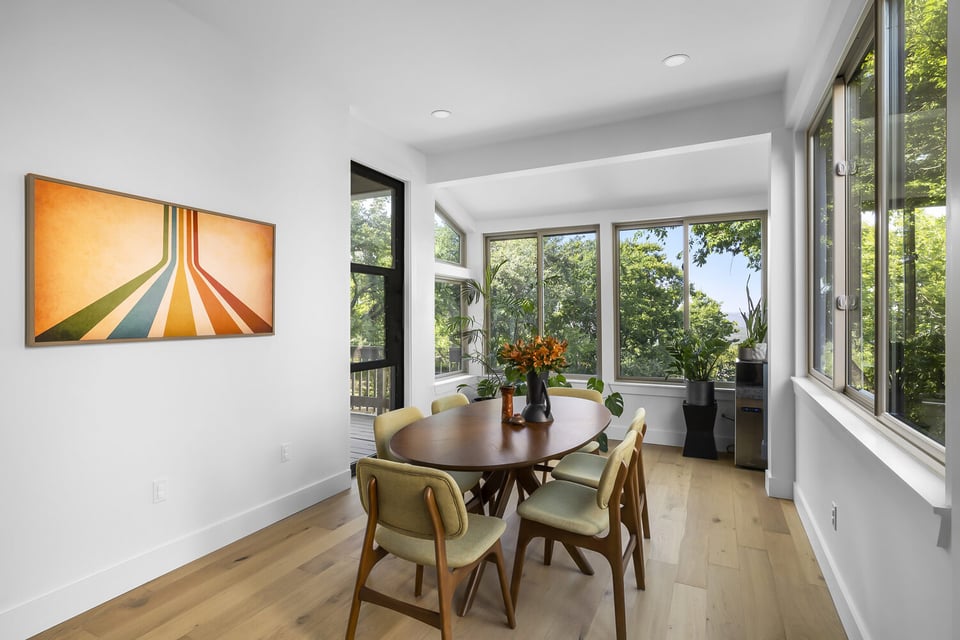
At some point, a whole home remodel shifts from a general idea to a project that needs a real plan. That usually happens when the same problems keep showing up in different parts of the home, and smaller updates no longer feel like enough.
You may be ready to take the next step if:
-
Several rooms need work, not just one isolated space
-
The layout makes daily routines harder than they need to be
-
Previous updates feel disconnected from the rest of the home
-
The kitchen, bathrooms, flooring, or main living areas all need attention
-
You are considering changes to walls, windows, systems, or exterior elements
-
You need help deciding whether to remodel in phases or address the home all at once
-
You want a clearer understanding of cost, timeline, and scope before making design decisions
A builder can help sort through what is realistic, what needs more investigation, and what should happen before the project moves into design or construction planning.
Common Questions About Whole Home Remodeling in Austin
HOW DO AUSTIN HOMEOWNERS START A WHOLE HOME REMODEL?
Usually by getting honest about what the house is failing to do, then having a preliminary conversation with a builder who can help clarify scope, budget range, and what the existing home conditions mean for the project. The design conversation becomes a lot more useful when it's grounded in what the house can actually support.
SHOULD I TALK TO A BUILDER BEFORE AN ARCHITECT OR DESIGNER?
It often helps to bring a builder in early, even if an architect or designer will also be part of the project. Early builder input can connect design ideas with cost, construction planning, site conditions, and timeline expectations.
CAN I LIVE IN MY HOME DURING A WHOLE HOME REMODEL?
For a whole home remodel, the answer is typically no. While we know that can be inconvenient, a whole home remodel is an active construction site with dust, noise, tools, materials, and systems that may be temporarily disconnected or unfinished. Living in the home during construction can create safety concerns, slow down the work, and make the process more stressful for everyone. There may be rare exceptions, but as a general rule, we do not plan for clients to live in the home until the remodel is complete.
What tends to cause budget surprises in whole home remodeling?
Usually one of three things: scope gaps that weren't caught before design got too far along, existing conditions in the house that weren't known until work began, or system updates that were needed but not initially planned for. All three are manageable when they're identified early. They become expensive when they surface mid-construction.
Should I remodel my entire home at once or tackle it in phases?
It depends on the condition of the home and what you're ultimately trying to accomplish.
Phasing can make sense when certain spaces need immediate attention while others can wait. However, there are situations where breaking the work into multiple projects creates inefficiencies, duplicate costs, or design decisions that limit future options.
For example, if you're planning to reconfigure the layout, update major systems, and renovate multiple rooms, it may be more cost-effective to coordinate those improvements as part of a larger plan rather than addressing them separately over several years.
Ready to Understand What Your Austin Home Needs?
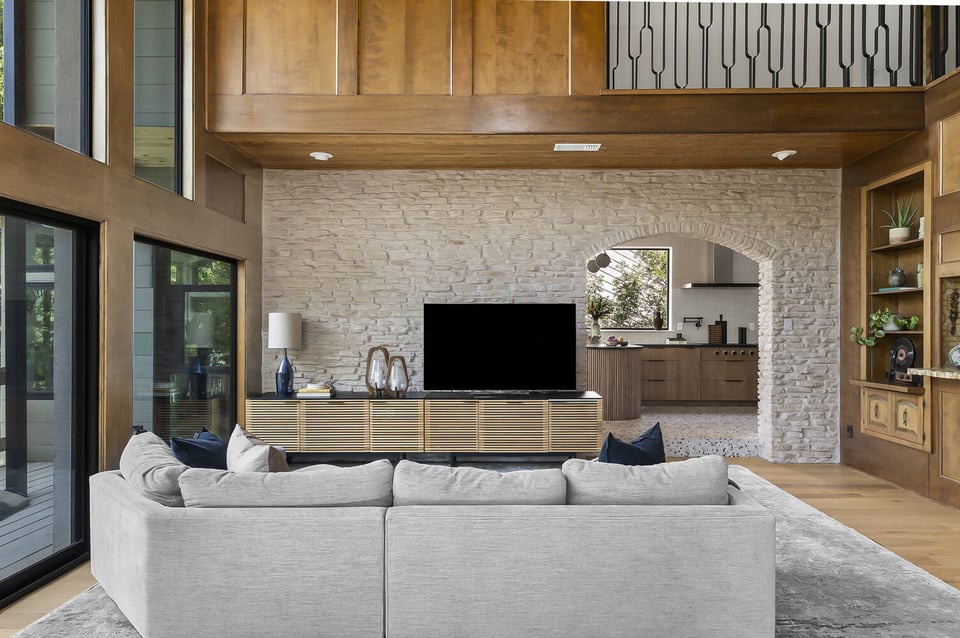
A whole home remodel usually starts with a lot of questions. What should change first? What will affect the budget? Who needs to be involved? What parts of the home need a closer look before design or construction begins?
RedOven Builds helps Austin area homeowners sort through those early questions with a clear, grounded approach. We’ll talk through the home, the scope, and the decisions ahead so you can move forward with a better understanding of what the project may require. Let's start the conversation and see how we can help.